Mapping How Exclusive Incentives Drive Shifts in Player Behavior Across Tablet and Phone-Based Betting Services
Written by Ben Becker · Oct 19, 2026
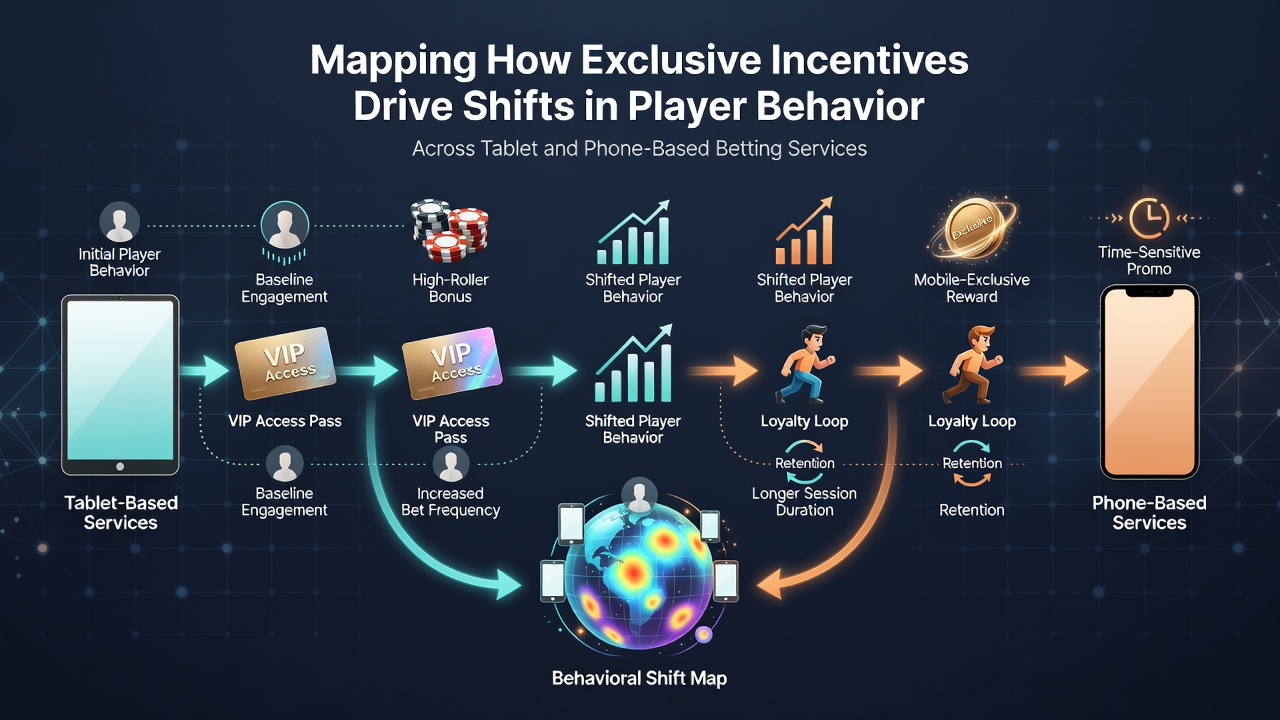
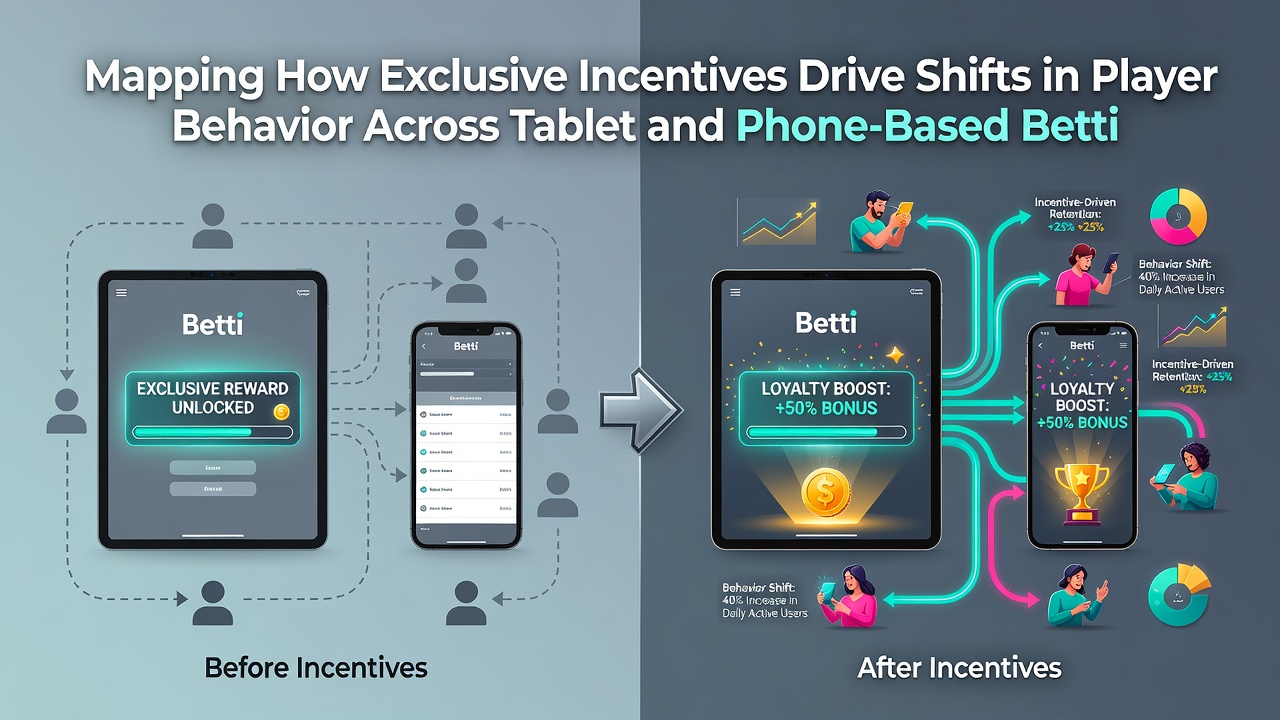
Mapping How Exclusive Incentives Drive Shifts in Player Behavior Across Tablet and Phone-Based Betting Services
Exclusive incentives in tablet and phone-based betting services create measurable changes in how participants interact with platforms, and data from multiple markets show distinct patterns emerging when rewards target specific devices. Operators design these offers around deposit matches, free bets, and loyalty tiers that activate only through mobile apps, which leads players to adjust session lengths, deposit frequencies, and game selections depending on whether they use phones or tablets.
Device-Specific Incentive Structures
Phone users encounter push notifications and instant-redeem bonuses more frequently than tablet users, and this difference shapes engagement levels because smaller screens support quicker taps while larger tablets encourage longer browsing sessions. Studies tracking app analytics reveal that phone-based players respond to time-limited exclusives by completing deposits within minutes of receiving alerts, whereas tablet sessions stretch across multiple categories as users compare odds and explore additional games before committing funds.
Research conducted through university partnerships in Australia has documented how geo-targeted rewards tied to phone location data increase cross-device migration when tablet users receive follow-up offers that require app downloads. Those patterns appear consistently across regulated markets where operators must report device-level activity to oversight bodies.
Observed Shifts in Player Activity
Figures from the Nevada Gaming Control Board indicate that exclusive mobile incentives correlate with higher average bet frequencies on phones during evening hours, while tablet activity rises when operators extend the same rewards to web-based tablet interfaces. Players shift between devices when reward conditions change, such as requiring a minimum number of spins only available through one platform, and this movement shows up in aggregated transaction logs collected across several quarters.
One analysis of app telemetry found that participants who received device-exclusive cashback offers increased their weekly active days by nearly twenty percent on phones compared with prior periods without such targeting. Tablet users showed smaller but still notable increases in session duration once similar loyalty multipliers applied to larger-screen interfaces.
Regional Data and Timing Considerations
Reports issued in October 2026 from European research consortia highlight how seasonal incentive calendars affect device preferences, with phone engagement climbing during short promotional windows and tablet usage stabilizing when longer-term loyalty programs activate. Australian regulatory summaries similarly note that cross-device tracking tools help identify when players migrate after exhausting phone-specific rewards, prompting operators to adjust offer timing to retain activity across both formats.
Academic reviews from institutions examining North American markets point to correlations between incentive exclusivity and changes in game-type selection, where phone users gravitate toward quick-play slots while tablet users explore table games and live dealer options once rewards carry over. These movements appear in anonymized datasets shared among industry analysts and remain consistent even after accounting for demographic variables.
Technological and Regulatory Influences
Platform updates that improve tablet touch responsiveness have narrowed some behavioral gaps, yet phone-exclusive incentives continue to drive higher conversion rates on smaller devices because of notification systems and one-tap authentication. Regulatory requirements in multiple jurisdictions now mandate clear disclosure of device-specific terms, which has led operators to refine how they present offers without altering the underlying incentive mechanics that influence player choices.
Industry associations tracking global trends report that operators increasingly rely on machine-learning models to predict device shifts based on past reward redemptions, allowing more precise allocation of exclusive bonuses. These models draw from large-scale transaction records and help map how participants redistribute their activity when new incentive tiers launch on either phones or tablets.
Conclusion
Patterns across available datasets demonstrate that exclusive incentives tied to phones and tablets produce distinct yet interconnected shifts in player behavior, with engagement metrics responding to notification timing, reward duration, and device capabilities. Continued monitoring by regulatory agencies and research groups provides ongoing visibility into these dynamics as operators refine their approaches in line with evolving platform technologies and compliance standards.